Key Takeaways
- Traditional venues eat up nearly a third of total nuptial spending, making the location choice the single biggest lever for cutting costs
- Public parks, beaches, and state-owned historic sites often charge only a small permit fee, offering dramatic backdrops for a fraction of hotel ballroom prices
- Private residences and family-owned land eliminate rental fees entirely but shift logistics like restrooms, parking, and power onto the couple
- Restaurants and breweries bundle food, drink, and space into one bill, which can quietly undercut a venue-plus-catering split
- Industrial spaces such as warehouses and barns feel trendy but require honest math on rentals, insurance, and decor before claiming savings
- Off-peak dates, weekday ceremonies, and smaller guest lists multiply the impact of any unconventional location choice
- The cheapest space on paper is not always the cheapest in practice — hidden costs decide the real winner
Picking a place to get married feels like a creative decision, but it is really a financial one. The room you choose sets the tone for catering minimums, decor needs, guest travel, and even the dress code. Change the venue, and almost every other number on your spreadsheet shifts with it.
The pressure is real. According to The Knot via Paperlust, couples are now spending an average of $12,900 just on the venue in 2026, and that figure often does not include tables, chairs, or linens. For many couples, that single line item is bigger than a used car. It is also the line item with the most flexibility, if you are willing to look past the usual banquet halls and country clubs.
That is why unconventional spaces deserve a serious look. They are not just quirky Pinterest fodder. They are a strategic move that can reroute thousands of dollars toward the things guests actually remember, like the food, the music, and the honeymoon that follows.
How Do Traditional Venues Really Compare on Price?
Before you can judge an alternative, you need an honest baseline. Hotel ballrooms, dedicated wedding venues, and country clubs typically bundle their rental fee with food and beverage minimums. On paper, this looks convenient. In practice, it locks you into per-plate pricing that can quietly double your total bill.
A country club might quote a $6,000 site fee but require $125 per guest in catering. A boutique hotel might waive the rental entirely if you hit a $20,000 food and bar minimum. These structures reward large guest counts and punish small ones. If you are planning an intimate gathering, traditional venues are often the worst value per person you can find.
Here is what traditional venues usually include in their base price:
- Tables, chairs, and standard linens
- In-house catering or an approved vendor list
- Bar service with a set markup
- A venue coordinator for the day of
- Basic lighting and sound setup
The convenience is genuine. So is the markup. Every item on that list can be sourced independently for less, which is exactly what unconventional spaces force you to do.
Public Parks, Beaches, and Historic Sites
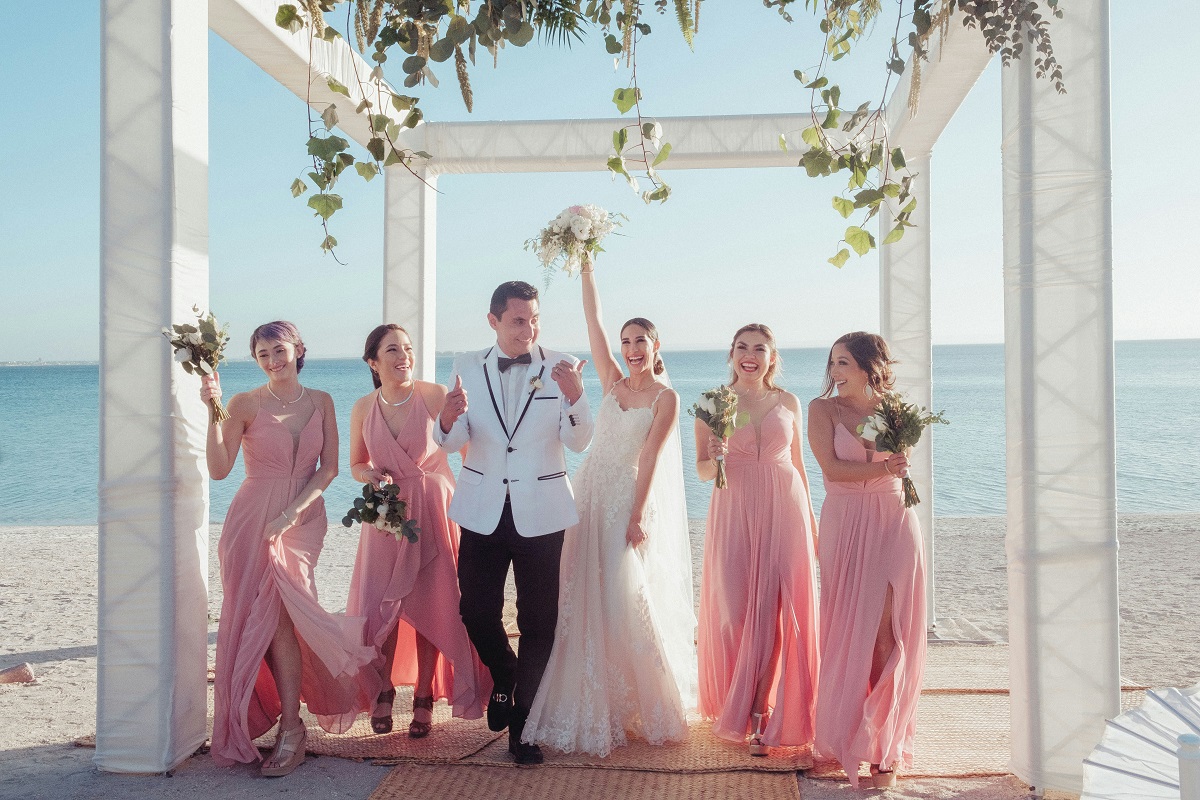
City and state governments own some of the most stunning ceremony locations in the country, and they rent them out for shockingly little. A permit for a public park might run $50 to $500. A beach ceremony permit in many coastal towns costs under $200. State-owned mansions and historic estates often charge a few hundred dollars for a four-hour block.
The tradeoff is control. You usually cannot serve alcohol without an additional permit, noise curfews are strict, and you share the grounds with the public until your event starts. But for a ceremony and cocktail hour, these spaces are nearly impossible to beat financially.
What to Ask Before Booking a Public Space
Permits vary wildly between jurisdictions, so the research phase is where you actually earn your savings. Call the parks department directly rather than relying on the website. Ask about exclusive use windows, whether amplified music is allowed, how early you can set up, and what happens if it rains. Confirm in writing whether chairs and tents require a separate approval. A $150 permit can turn into a $2,000 headache if you miss a rule about vehicle access or vendor load-in times.
The Case for Home and Backyard Weddings
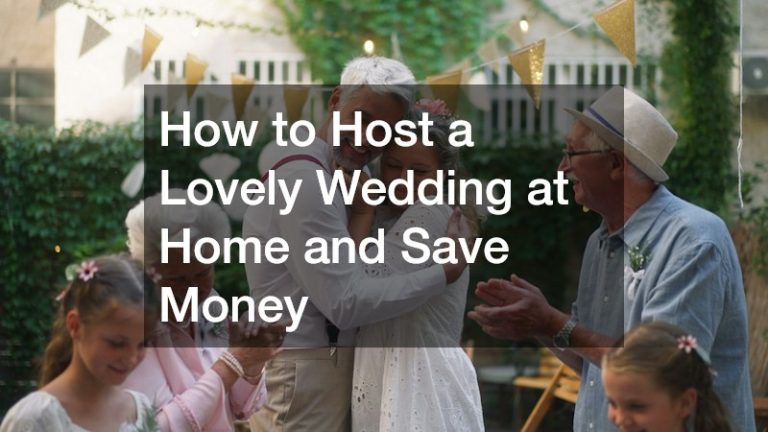
Few options match the savings of using property you or a family member already owns. There is no rental fee, no time limit, and no corkage charge. You pick the music, the hours, and the vendors. For couples with access to a suitable yard, this route can slash the biggest expense down to near zero.
Of course, zero rental does not mean zero cost. You will likely need to rent tables, chairs, a tent, portable restrooms, a dance floor, and possibly a generator. Landscaping, cleaning, and insurance add up. Still, even with all that, the total often lands well below a mid-range venue. Couples considering hosting a wedding at home should price out every rental item honestly before assuming it is automatically cheaper.
Backyard events also give you full control over the guest list, which matters more than ever. According to The Knot via Carats and Cake, 40 percent of couples in the 2026 Real Weddings Study trimmed their guest counts in response to rising costs. A home wedding makes that decision feel intentional rather than apologetic.
Smart Ways to Cut Venue Costs Without Losing the Vibe
Restaurants, breweries, and small event cafes offer a middle path between a formal venue and a DIY backyard. They already have kitchens, bars, restrooms, and liquor licenses, which means you are not paying to rent tables, chairs, glassware, or a portable bar setup on top of everything else. Many will buy out the entire space for a flat food and beverage minimum, which rolls your venue and catering into one invoice and dramatically simplifies your wedding budget spreadsheet.
This is often where the real math gets interesting. A favorite neighborhood restaurant might host 60 guests for a $7,000 minimum that covers a plated dinner, wine, and the space. Compared to a $12,000 venue fee plus separate catering that can easily run another $10,000 to $15,000, the savings are obvious and often exceed $10,000 once you factor in rentals, service staff, and bar setup. The atmosphere is also built in, which means you spend far less on flowers and decor. A warm, well-designed restaurant already has flattering lighting, interesting art, upholstered banquettes, and a bar that looks great in photos, so you can skip the uplighting rental and the six-foot floral installations entirely. This is one of the most practical answers to how to save money on wedding costs without sacrificing a genuinely polished feel.
Consider these venue types that bundle food and space:
- Independent restaurants with private dining rooms
- Breweries and wineries with tasting room buyouts
- Art galleries that allow outside catering
- Community theaters during dark nights
- Botanical gardens with on-site cafes
- Independent bookstores after hours
- Hotel rooftop bars with slower weekday traffic
- Cooking schools that double as event spaces
- Supper clubs and chef-driven pop-up spaces
- Historic inns and bed-and-breakfasts with dining rooms
Each of these can be negotiated, especially on Fridays, Sundays, or weekday evenings. Owners of small businesses are often more flexible than corporate venue sales teams, and they genuinely want your event to succeed because word-of-mouth from a well-run wedding can bring them months of future business. Approach them like a collaborator rather than a customer ticking boxes, ask about their quietest nights, and bring a realistic guest count to the first conversation so they can run numbers with you on the spot.
Weekday and Off-Season Negotiation
The day you pick matters almost as much as the space. A Saturday in June at any venue carries a premium because demand is at its absolute peak and operators know they can fill that date three times over. A Thursday in February at the same venue might be negotiable down 30 to 40 percent, and in some markets you will see even deeper discounts on Mondays, Tuesdays, or the week between Christmas and New Year’s. If you are flexible on timing, lead with that in your first conversation. Ask what their slowest months are, then ask what they would offer to fill a date. You might also ask whether they discount brunch or lunch slots, which often come in 20 to 30 percent cheaper than evening events and can be a charming, unexpected format.
You are not being cheap. You are being a business partner, and good operators recognize that. Frame the conversation around what you can offer them, too: a guaranteed minimum spend, prompt deposits, a short vendor list that is easy for their team to coordinate with, and a willingness to post about the experience afterward. When a venue sees you as low-friction revenue on a night that would otherwise be dead, suddenly the wedding budget conversation shifts from “here is our rate card” to “let’s figure out what works.” That mindset shift is where the biggest savings quietly live.
Weighing Industrial, Barn, and Unusual Spaces
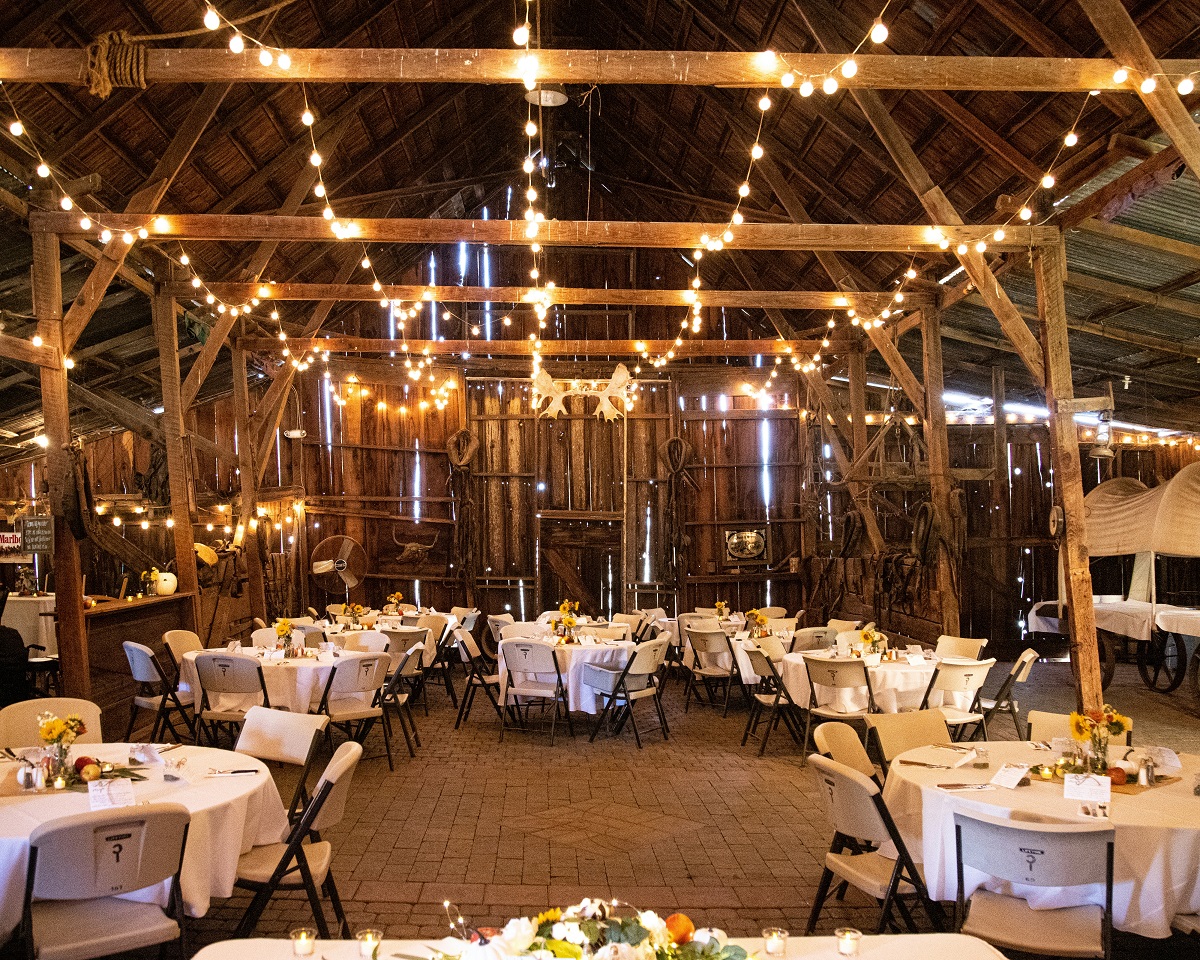
Warehouses, barns, lofts, and converted factories dominate wedding Instagram for good reason. They photograph beautifully, they feel current, and they give couples a blank canvas. What they do not always give you is savings. The raw-space appeal is real, but so is the rental list that comes with it.
A barn might charge $4,000 for the space and nothing else. By the time you add tables, chairs, linens, catering equipment, generators, bathroom trailers, climate control, and liability insurance, the all-in cost can rival a full-service venue. The difference is that you are paying piecemeal, which makes it harder to see the total until deposits are already down.
Before signing anything on an industrial or rustic space, price out the full build. Here is a realistic checklist to run through:
- Tables, chairs, and linens for your exact headcount
- Catering prep space, including refrigeration and warming equipment
- Bar setup, ice, glassware, and a licensed bartender
- Portable restrooms, ideally upgraded trailer units
- Generators or supplemental power for lights, sound, and kitchen
- Heating or cooling depending on the season
- Liability insurance, often required by the property owner
- Cleanup crew and dumpster rental
- Parking attendants or shuttle service for remote locations
Run those numbers against a traditional venue quote for the same guest count. Sometimes the warehouse wins by $5,000. Sometimes it loses by $3,000. The point is to find out before the deposit, not after. A detailed wedding budget spreadsheet that lists every one of these line items is the only honest way to compare a raw space to a turnkey one.
When Unusual Spaces Actually Pay Off
Industrial and rustic venues reward couples who already own pieces of the puzzle. If your uncle runs a catering company, if a friend DJs, if you have access to furniture rentals at cost, the blank-canvas model suddenly tilts in your favor. The same is true for smaller guest counts, where rental multipliers stay low. A 40-person loft wedding can feel extraordinary for under $8,000 all in. A 180-person version of the same event rarely breaks even against a hotel package.
The emotional payoff matters too. A space that reflects who you are as a couple is worth something real, even if it is hard to put on a spreadsheet. Just do not confuse aesthetic preference with financial strategy. They can overlap, but they are not the same thing.
Hidden Costs That Decide the Real Winner
Every venue category has quiet expenses that only show up once you dig in. Taxes and service charges can add 25 percent to a quoted catering number. Vendor meals are rarely optional and typically run $40 to $60 per person. Overtime fees for running past your contracted end time can hit $500 an hour. Cake-cutting fees, corkage charges, and gratuity lines are all standard at traditional venues and easy to miss in the excitement of a tour.
Unconventional spaces have their own hidden costs. Permit fees sometimes require a refundable damage deposit that ties up cash for months. Home weddings often need a one-day event insurance policy. Restaurants may charge a room fee on top of the food minimum if you want exclusive use. Breweries sometimes require you to use their preferred caterer, which erases the savings you came for.
The discipline that separates couples who actually save money from couples who just think they did is a side-by-side comparison with every number filled in. Not estimates. Not ranges. Written quotes with every fee, tax, and service charge accounted for. Do that exercise for three contenders across different categories, and the real winner usually becomes obvious.
Wrapping It Up
Unconventional venues are not a gimmick or a compromise. They are a legitimate strategy for couples who want to spend their money intentionally rather than by default. A public park, a family backyard, a favorite restaurant, or a converted warehouse can each deliver a wedding that feels more personal than any ballroom, often at a fraction of the cost. The savings are real, but only when you do the math honestly and account for every rental, permit, and hidden fee that comes with stepping off the beaten path.
The couples who come out ahead treat the venue decision as the foundation of every other choice. They pick the space first, then build the guest list, menu, and timeline around what that space can realistically support. They negotiate on day of the week, time of year, and guest count before they negotiate on the venue itself. And they are willing to walk away from a beautiful option if the full build does not pencil out.
Your wedding day will be remembered for the people in the room, the food on the table, and the way it felt. The room itself matters, but it matters less than the industry wants you to believe. Choose the space that tells your story and leaves room in the budget for the moments your guests will actually talk about ten years from now. That is the version of this day worth paying for.
About the Author