
Maintaining a personal style can be expensive when several family members have different clothing preferences, grooming routines, and interests. Between everyday outfits, footwear, hair appointments, special occasion clothing, and personal purchases, these expenses can quickly compete with other household priorities. However, looking and feeling good does not have to mean constantly buying new things or choosing the most expensive options.
Families can make more thoughtful decisions by focusing on versatility, durability, proper maintenance, and planned spending. Small changes, such as repairing clothing instead of replacing it, comparing service prices, and setting individual shopping budgets, can make a meaningful difference over time. The goal is not to eliminate personal purchases but to find ways to get more value from them. With a little planning, every family member can maintain their preferred appearance while keeping personal style expenses manageable.
Build a Versatile Wardrobe Around Everyday Essentials
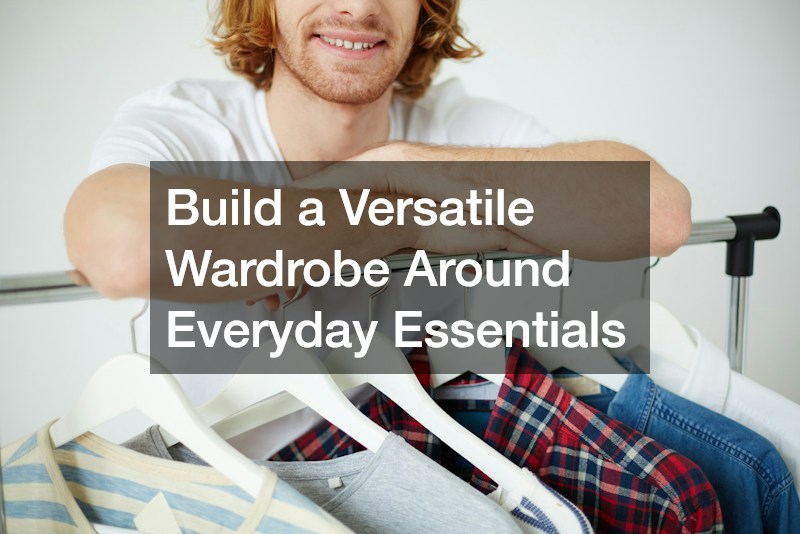
A versatile wardrobe makes it easier to create different outfits without purchasing new clothing for every occasion. Instead of filling closets with individual pieces that only work with one outfit, prioritize items that can be mixed, matched, and worn throughout the year. For example, neutral shirts, comfortable jeans, classic sweaters, and adaptable jackets provide a foundation for different looks.
When shopping for mens clothing, consider how each item will work with existing wardrobe pieces. The same principle applies to everyone in the household. Before purchasing something new, review what is already available and identify genuine gaps.
Families can make their clothing budgets go further by:
-
Choosing neutral colors that coordinate with multiple outfits.
-
Prioritizing comfortable, well-fitting basics over short-lived trends.
-
Shopping end-of-season sales for clothing needed in the coming months.
-
Organizing closets to identify items that are rarely worn.
-
Passing down gently used clothing between siblings when appropriate.
A smaller collection of useful clothing can provide more outfit combinations than a closet filled with pieces that rarely get worn.
Get More Value From Clothing Through Proper Alterations
Clothing does not always need to be replaced when it stops fitting perfectly or develops minor damage. Simple alterations can restore garments and make them more comfortable to wear. This is especially useful for quality clothing that has plenty of life left but needs adjustments.
A local tailor can handle common repairs and modifications, including hemming trousers, taking in waistbands, shortening sleeves, and replacing zippers. These services can be particularly valuable for adults who have invested in professional clothing or children who have outgrown certain garments.
Before purchasing replacements, consider whether alterations would be more economical. Useful options include:
-
Shortening trousers or skirts that are too long.
-
Adjusting waistbands to improve fit.
-
Repairing loose seams, missing buttons, and damaged closures.
-
Resizing jackets and other structured garments when practical.
Families should compare alteration prices with replacement costs, especially when dealing with inexpensive clothing. Proper care also matters. Following washing instructions, storing seasonal garments correctly, and addressing small repairs early can help clothing remain wearable longer.
Choose Durable Footwear That Handles Daily Wear
Footwear is an important part of personal style, but it also needs to provide comfort and withstand regular use. Families can spend more than necessary when they repeatedly replace inexpensive shoes that wear out quickly. A better approach is to consider how often each pair will be worn and whether its construction suits the intended purpose.
For example, leather boots for men can be a practical investment when selected for the right combination of durability, comfort, and appearance. However, leather quality and construction vary, so shoppers should examine individual products rather than assuming every expensive pair will last longer.
Before buying footwear, consider:
-
Material: Look for materials appropriate for the expected conditions and frequency of use.
-
Construction: Examine stitching, soles, closures, and overall workmanship.
-
Fit: Make sure shoes provide enough room and do not create pressure points.
-
Versatility: Consider whether the footwear works with several outfits.
-
Maintenance: Check the care requirements before making a purchase.
Regular cleaning, appropriate conditioning, and proper storage can also help extend the useful life of footwear.
Compare Work Boot Options Before Making a Purchase

People who spend their working hours standing, walking, or working in demanding environments may need specialized footwear. However, buying work boots without understanding workplace requirements can lead to unnecessary expenses or an unsuitable fit.
A specialized work boots shop can offer an opportunity to compare different styles, materials, and safety features. Before visiting, workers should understand whether their jobs require protective toe caps, slip-resistant soles, electrical hazard protection, or other specific features. Employer safety policies should guide these decisions.
A few practical ways to manage footwear expenses include:
-
Checking whether an employer provides a footwear allowance or reimbursement.
-
Comparing prices across retailers before choosing a particular model.
-
Looking for manufacturer promotions on required footwear.
-
Selecting boots designed for the actual working environment.
-
Following recommended care instructions to maintain their condition.
Comfort deserves equal attention. Workers who wear boots throughout the day should prioritize appropriate sizing and support rather than choosing a pair based on appearance or price alone. Replacing damaged or worn protective footwear when necessary is also important.
Make Personalized Clothing More Affordable for Special Occasions
Personalized clothing allows family members to express their interests, celebrate milestones, and participate in group activities. However, custom designs can become expensive when families purchase individual pieces without considering how often they will be worn.
Letterman jackets are one example of personalized clothing that can hold sentimental value. Students may wear them to represent school activities, sports participation, or other achievements. Comparing materials, embroidery options, and customization fees can help families make informed purchasing decisions.
Custom tshirts offer another flexible option for birthdays, family reunions, vacations, and community events. To keep these purchases affordable:
-
Order multiple shirts together when group pricing is available.
-
Choose designs that can be worn beyond a single event.
-
Compare printing methods and garment quality.
-
Avoid unnecessary upgrades that do not improve the finished product.
-
Check sizing carefully before placing group orders.
Families should also consider whether personalized clothing will remain useful after an event. Choosing timeless designs and comfortable materials can make these purchases more worthwhile.
Find Affordable Entertainment That Reflects Family Interests
Personal style extends beyond clothing and grooming. Music, hobbies, and creative interests also give family members opportunities to express themselves. Supporting these interests does not necessarily require purchasing expensive equipment or accessories.
For families with aspiring musicians, music stores can be useful places to compare instruments, explore different price ranges, and learn about equipment options. However, buying brand-new instruments is not always necessary, particularly for beginners who are still discovering their interests.
Consider these alternatives:
-
Look for quality used instruments and accessories.
-
Compare rental options before committing to a purchase.
-
Borrow equipment from friends or community programs when possible.
-
Attend free local performances and community music events.
-
Set individual hobby budgets based on actual interest and participation.
Parents can also encourage children to explore different creative activities before investing in specialized equipment. This approach helps families avoid spending heavily on hobbies that may only hold someone’s attention briefly. Supporting personal interests becomes easier when purchases reflect genuine needs rather than temporary excitement.
Maintain Your Look With Budget-Conscious Hair Care

Hair care can become a recurring expense, especially when several family members schedule regular appointments or prefer more involved hairstyles. Creating a realistic grooming budget helps individuals maintain their preferred appearance without allowing routine expenses to grow unnecessarily.
For those considering hair extension services, the initial appointment is only part of the financial commitment. Installation methods, maintenance schedules, replacement needs, and recommended home care can all affect the total cost. Understanding these requirements beforehand makes it easier to decide whether a particular style fits an individual’s budget and lifestyle.
Families can manage hair care expenses by:
-
Comparing service prices and understanding what each appointment includes.
-
Asking about maintenance frequency before choosing a style.
-
Following recommended washing and conditioning routines.
-
Avoiding unnecessary styling products.
-
Scheduling appointments based on actual maintenance needs.
It is also worth considering lower-maintenance hairstyles when schedules or budgets are tight. Choosing a style that fits daily routines can reduce the need for frequent salon visits while still allowing individuals to express their preferences.
Plan Hair Color Changes Around Long-Term Maintenance Costs
Changing hair color can be an enjoyable way to refresh an appearance, but the ongoing maintenance deserves consideration before scheduling an appointment. Different coloring techniques require different levels of upkeep. A full-color treatment, for example, may involve more frequent root maintenance than a style designed to blend naturally as hair grows.
When considering hair color services, discuss both the initial appointment and future maintenance with the stylist. Ask how frequently touch-ups may be needed and what products are recommended to maintain the desired appearance.
A few ways to manage these expenses include:
-
Choosing shades that work with natural hair color and growth patterns.
-
Considering highlights or other techniques with less noticeable regrowth.
-
Following professional recommendations for color-safe hair care.
-
Limiting excessive heat styling that can affect hair condition.
-
Planning appointments around realistic maintenance intervals.
Families should also avoid choosing a color solely because it is currently popular. A style that fits someone’s preferences, budget, and daily routine is generally easier to maintain than one requiring constant adjustments.
Evaluate Cosmetic Procedures With Realistic Financial Expectations
Some personal appearance decisions involve considerably larger financial commitments than clothing purchases or routine grooming. Cosmetic procedures require careful consideration because the costs can extend beyond the initial treatment.
For individuals considering a tummy tuck, financial planning should include the surgeon’s fees, facility expenses, anesthesia, recovery supplies, and follow-up appointments. The total price can vary depending on the procedure and individual circumstances, so relying on a general advertised price may not provide an accurate picture of the commitment.
Before making a decision, consider:
-
Researching qualified surgeons and reviewing their credentials.
-
Requesting an itemized estimate of expected expenses.
-
Asking what follow-up care and other services are included.
-
Understanding recovery requirements and possible time away from work.
-
Reviewing financing terms and any additional financial obligations.
Cosmetic surgery is a personal medical decision, not a routine beauty purchase or a necessary part of maintaining personal style. Individuals should prioritize their health, understand the potential risks, and make decisions without financial pressure.
Create a Family Personal Style Budget That Actually Works
A household budget can help families balance individual preferences with shared financial responsibilities. Rather than treating clothing, grooming, and personal purchases as unpredictable expenses, create separate spending categories that reflect everyone’s needs.
Start by reviewing recent purchases to understand where money is going. Then establish reasonable monthly or seasonal limits for clothing, footwear, hair care, hobbies, and special occasions. Individual allowances can also give family members some independence while encouraging responsible spending.
Useful budgeting practices include:
-
Plan ahead: Account for seasonal clothing needs, school activities, and upcoming events.
-
Set priorities: Separate necessary replacements from optional purchases.
-
Track spending: Review purchases regularly to identify unnecessary expenses.
-
Create savings goals: Set aside money for larger planned purchases.
-
Discuss expectations: Give household members a clear understanding of their individual budgets.
It can also help to establish a waiting period before making nonessential purchases. Taking time to consider whether an item is genuinely useful can reduce impulse buying. Review the budget regularly as family members grow, develop new interests, and experience changing needs.
Make Personal Style a Sustainable Part of Family Spending
Maintaining personal style does not have to come at the expense of other household priorities. Families can make meaningful savings by choosing versatile clothing, maintaining existing purchases, comparing service options, and planning for larger expenses. These habits help everyone enjoy their preferred appearance without relying on constant shopping or unnecessary upgrades.
The most effective approach is to recognize that personal style looks different for every family member. One person may prioritize comfortable everyday clothing, while another may enjoy experimenting with hairstyles, footwear, or creative hobbies. Allowing room for these differences makes budgeting more practical and sustainable.
Saving money does not mean giving up individuality. It means making purchases with greater intention, understanding the long-term costs of personal choices, and getting more value from the things already owned. With consistent planning and realistic spending limits, families can maintain their personal preferences while keeping their broader financial goals on track.
About the Author