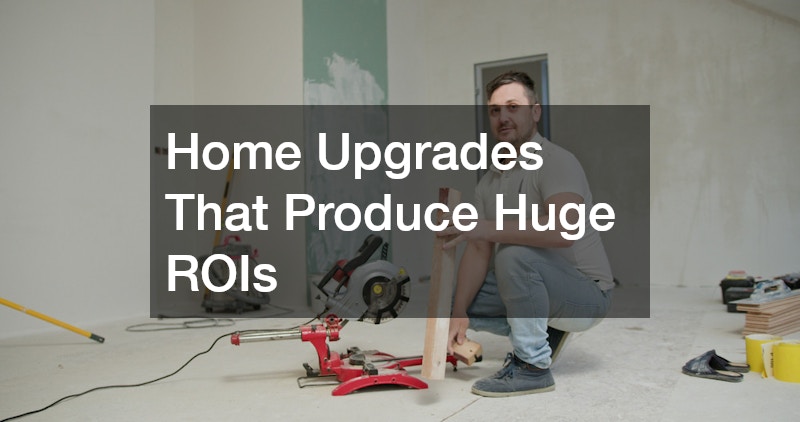
In the rapidly evolving real estate market of 2026, the definition of a “valuable” home improvement has shifted from purely aesthetic flourishes to functional, high-efficiency systems. Homeowners are no longer just looking for a place that looks good in photos; they are seeking properties that promise long-term durability, reduced operational costs, and superior comfort. Navigating the myriad of renovation options requires a strategic approach that balances initial capital expenditure against the projected increase in property equity. This guide provides a deep dive into the renovations that offer the highest return on investment (ROI), ensuring that every dollar spent contributes to a more resilient and marketable asset.
Enhancing the Building Envelope for Energy Efficiency
Optimizing Natural Light and Thermal Control
The building envelope is the primary barrier between the conditioned interior of your home and the volatile exterior environment. Modern buyers place a premium on homes that utilize passive energy strategies to maintain comfort. One of the most sophisticated ways to achieve this is through the integration of motorized systems designed for light management. By installing precision shades, a homeowner can effectively automate the home’s response to solar heat gain. These systems use sensors to track the sun’s trajectory, lowering during peak afternoon heat to reduce the cooling load and raising during winter mornings to harvest free solar warmth. This technological integration transforms a standard window into an active component of the HVAC strategy.
Furthermore, the visual impact of a high-quality window treatment cannot be overstated. Beyond the functional energy savings, these fixtures serve as a unifying design element that ties a room together. Whether you opt for custom Roman shades, plantation shutters, or honeycomb blinds, the key is consistency. A home with mismatched or low-quality coverings feels fragmented to a prospective buyer. Investing in professional-grade solutions creates a sense of “smart luxury” that appraisers recognize as a value-add. These improvements often return between 70% and 85% of their cost, making them one of the most reliable interior upgrades available.
Beyond immediate utility savings, these upgrades address the growing demand for “smart” infrastructure that requires zero effort from the occupant. In the 2026 market, a home that “thinks for itself” to save money is significantly more attractive than one requiring manual adjustment. Automated window systems represent a fusion of interior design and climate engineering, providing a sleek, cord-free aesthetic that is safe for families and appealing to the modern minimalist.
Automated Scheduling:
Program your window coverings to sync with local sunrise and sunset times to maximize privacy and efficiency.
Thermal Insulation:
Look for cellular shades with high R-values to provide an extra layer of protection against window drafts.
Aesthetic Neutrality:
Use soft grays, creams, or off-whites to ensure the upgrades appeal to the broadest possible audience.
Smart Home Connectivity:
Ensure your systems are compatible with popular voice assistants and home automation hubs for seamless control.
Modernizing Entry Points and Exterior Transitions
Creating Seamless Indoor-Outdoor Flow
The contemporary architectural movement has largely moved toward “biophilic design,” which seeks to connect occupants more closely with nature. This is most effectively achieved by expanding the visual and physical apertures of the home. Many high-end residential projects are now borrowing from industrial aesthetics, utilizing commercial glass doors to replace standard sliding or French doors. These commercial-grade units offer significantly thinner profiles and larger glass spans, allowing for unobstructed views and a modern, high-end feel. The sheer weight and smooth operation of these doors signal quality to a buyer, often serving as the “wow factor” that closes a deal.
However, large glass surfaces come with the challenge of solar glare and heat. While many consider film applications to be an automotive solution, the specialized industry of auto window tinting has developed architectural-grade films that are incredibly effective for residential outbuildings, sunrooms, and garages. Applying these high-performance tints to your home’s glass surfaces can block up to 99% of harmful UV rays, which not only protects your interior climate but also prevents the costly fading of furniture, artwork, and flooring. For a buyer, knowing that the home is protected from solar damage is a subtle but powerful incentive.
This investment in high-performance glass transitions also creates the illusion of increased square footage. By visually extending the living room into the patio or garden, you change the perceived scale of the property. When combined with professional tinting, you eliminate the “hot spots” usually associated with large windows, ensuring that the space near the glass is usable and comfortable even during the brightest parts of the day.
Security Laminates:
Choose glass door options that include tempered or laminated safety glass for enhanced break-in resistance.
Glare Reduction:
Architectural tints improve screen visibility in home offices, a major plus for the modern remote worker.
Structural Integrity:
Ensure that the headers above new, larger door installations are correctly sized to prevent settling and binding.
Energy Coatings:
Look for “Low-E” glass ratings that reflect heat to its source, keeping your home comfortable year-round.
Maximizing HVAC Performance and Climate Comfort

Ensuring Year-Round Efficiency and Reliability
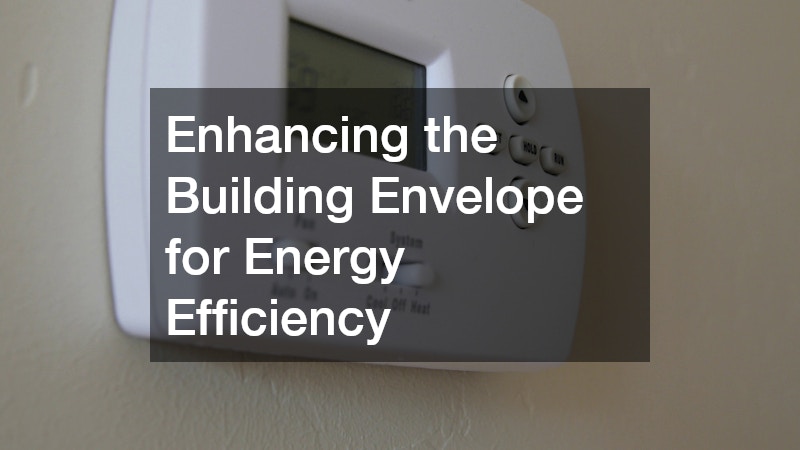
The mechanical heart of the home is its HVAC system. In a world of rising energy costs, a home with a failing or inefficient air conditioner is a liability. Engaging with reputable ac installation companies to upgrade to a high-efficiency heat pump or a dual-fuel system is perhaps the most practical ROI move a homeowner can make. Modern systems are significantly quieter and more effective than those built even ten years ago. When a buyer sees a brand-new, high-SEER2 exterior unit, they immediately subtract a major future expense from their mental tally, often leading to higher offers that exceed the cost of the unit itself.
If a full replacement is not yet required, the importance of maintaining a paper trail for ac repairs and annual check-ups is paramount. A system that has been neglected is a red flag for any home inspector. By documenting professional maintenance, you prove that the home’s vital systems have been kept in peak condition. Simple tasks like duct cleaning, refrigerant recharging, and thermostat calibration can extend the life of an older system, making it more acceptable to a buyer who might otherwise demand a price concession for an aging unit.
Climate comfort is also a major factor in “emotional” buying decisions. A house that feels humid or has uneven temperature distribution creates a subconscious sense of unease during a walkthrough. Upgrading your HVAC components and ensuring they are in top repair ensures that the first impression of the home is one of crisp, clean, and perfectly tempered air, which reinforces the feeling of a well-cared-for sanctuary.
Pro Tip:
Always install a smart, learning thermostat during an HVAC upgrade. The modest cost of the device is outweighed by the psychological value it provides to buyers who prioritize modern tech and energy savings.
Securing the Home’s Infrastructure and Utility Systems

Investing in Long-Term Structural Protection
Structural integrity is the bedrock of property value. No amount of granite countertops can compensate for a roof that leaks or a water system that fails. When preparing a home for sale, the first step should be a thorough inspection by local roofers who understand the specific environmental stressors of your region. Whether it is high-intensity UV exposure, heavy rainfall, or snow accumulation, a roof tailored to the local climate is a non-negotiable asset. A clean, well-maintained roof line significantly boosts the home’s curb appeal, which is the first impression a buyer receives.
Inside the walls, the reliability of the hot water system is equally crucial. Addressing a slow leak or a malfunctioning pilot light through a timely water heater repair can prevent a catastrophic failure that ruins flooring or drywall. Furthermore, upgrading to a tankless “on-demand” system is a trend that offers high ROI. Buyers love the idea of never running out of hot water, and the space saved by removing a massive 50-gallon tank can often be repurposed for additional storage, further increasing the home’s utility.
Maintaining these core systems is an exercise in risk mitigation. A buyer is essentially purchasing a bundle of future risks; by proactively fixing the roof and the water heater, you are removing the two biggest “fear factors” from the equation. This clarity allows the buyer to focus on the lifestyle benefits of the home rather than worrying about the structural integrity of the basement or the attic.
Flashing Inspection:
Ensure that all roof penetrations—chimneys, vents, and skylights—have pristine flashing to prevent hidden leaks.
Ventilation Balance:
Proper attic ventilation prevents heat buildup that can bake shingles from the inside out, shortening their lifespan.
Pressure Regulation:
Install a pressure-reducing valve on your main line to protect your water heater and appliances from high-pressure bursts.
Gutter Maintenance:
High-capacity gutters and downspouts are essential for moving water away from the foundation and preventing basement dampness.
Upgrading External Structures and Resource Access
Enhancing Durability and Self-Sufficiency
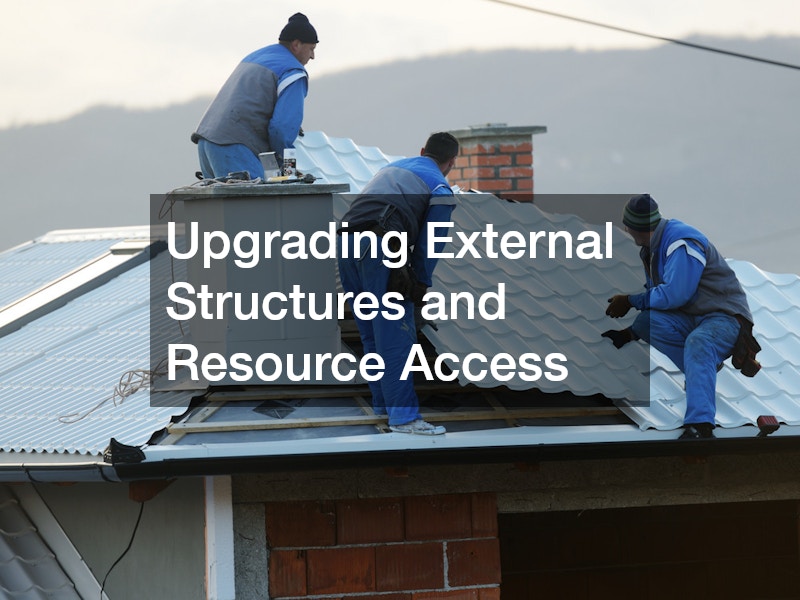
A home’s exterior is its armor. High-quality residential roofing is one of the top three renovations for ROI, often returning over 90% of its value. In 2026, many homeowners are opting for metal or composite materials that offer 50-year warranties. These materials are fire-resistant and highly reflective, providing a dual benefit of lower insurance premiums and lower energy bills. A roof is a fundamental component of the home’s value; if it is near the end of its life, replacing it before listing is often more profitable than offering a “roof credit” to the buyer.
For properties that rely on private utilities, the quality of the water source is a major valuation factor. If your property uses groundwater, hiring a professional well installer to modernize the pressure tank or deepen the well can be a massive selling point. In an era where water scarcity is a growing concern, a private, high-yield well is seen as a badge of self-sufficiency. It allows for lush landscaping and reliable domestic use without the fluctuating costs and restrictions of municipal water systems. This kind of “off-grid” capability is increasingly attractive to high-net-worth buyers.
These exterior investments also speak to the longevity of the property. A high-end roof and a robust well system suggest that the home was built to endure for generations, rather than just for the next few years. This psychological sense of permanence is a powerful driver for luxury buyers and families who are looking for a “forever home” that won’t require massive capital improvements shortly after moving in.
Impact Resistance:
Choose shingles with a Class 4 rating to protect against hail damage and potentially lower your homeowner’s insurance.
Water Quality:
Pair your well system with a high-end filtration unit to ensure the water is softer and cleaner than city water.
Aesthetic Choice:
Match the roof color to the home’s siding and trim to create a cohesive, expensive-looking exterior.
Pumping Efficiency:
Upgrade to a variable-speed pump for your well to ensure consistent pressure throughout the house, regardless of simultaneous use.
Maximizing the return on your home renovations requires a shift in perspective—from that of a resident to that of an investor. While the temptation to spend on cosmetic trends is high, the data consistently shows that the most significant ROIs come from improvements to the home’s core systems and energy efficiency. By ensuring that the roof is secure, the HVAC is modern, and the utility systems are reliable, you create a foundation of trust with potential buyers.
Strategic upgrades like automated light control, high-performance glass transitions, and private resource access do more than just increase a number on an appraisal; they enhance the daily living experience. In the 2026 real estate market, a home that is both beautiful and “built to last” will always command a premium. By focusing on quality, durability, and efficiency, you ensure that your property stands out as a superior asset, ready to provide substantial financial rewards when the time comes to sell.
Ultimately, the goal of these renovations is to shorten the “days on market” while maximizing the final sales price. A home that has already been optimized for 2026 standards of efficiency and comfort creates an easy decision for a buyer. When you present a property that requires no immediate work and promises low future costs, you aren’t just selling a house; you are selling peace of mind, and that is the highest-returning investment of all.
About the Author